Jordans Sunblinds & Shutters

Always a shade better

Choosing new window coverings is not always straightforward. Two of the most popular options on the market are roller blinds and Venetian blinds, and each brings something different to a room. Roller blinds offer a clean, minimal look and simple operation, while Venetian blinds give precise control over light and privacy through adjustable slats. This guide looks at how the two compare across style, function and practicality, so you can decide which one suits your home.

If you would like to browse the full range before making a decision, you can see what else is available for a wider look at what is on offer.

What Are Roller Blinds?

Roller blinds are made from a single piece of fabric that rolls up and down around a tube, usually operated by a chain or spring mechanism. They sit close to the window and have a smooth, uncluttered appearance, which makes them a popular choice in modern homes, offices and kitchens.

Because the fabric is one continuous piece, roller blinds are easy to keep clean and tend to require very little maintenance. Many are also available in blackout, light-filtering or water-resistant fabrics, which makes them adaptable to different rooms and needs. You can view the full fabric and style range here.

What Are Venetian Blinds?

Venetian blinds are made up of horizontal slats, usually in aluminium or wood, that are connected by cords or a tilt mechanism. The slats can be angled to let in as much or as little light as needed, without having to raise or lower the whole blind. This makes them a practical choice for rooms where light needs to be adjusted throughout the day, such as home offices or living rooms that face direct sun.

Venetian blinds also tend to have a slightly more structured, classic appearance compared to the flat look of roller blinds, which suits certain interior styles better.

Roller Blinds vs Venetian Blinds: Key Differences

The table below sets out how the two options compare across the factors that usually matter most when choosing window coverings.

Feature Roller Blinds Venetian Blinds
Light control Full open or closed, with some fabrics allowing filtered light Adjustable slats provide precise light control throughout the day
Privacy Offers high privacy when closed, with limited adjustment while managing light Slats can be angled to maintain privacy while allowing natural light
Appearance Flat, sleek, and modern design Structured slatted design with a classic or traditional appearance
Cleaning Easy wipe-down maintenance or occasional fabric cleaning Requires individual slat dusting or wiping
Material options Available in various fabrics, including blackout and water-resistant options Commonly available in aluminium, wood, and faux wood materials
Best suited to Ideal for bedrooms, kitchens, and minimalist interiors Suitable for home offices, living rooms, and areas requiring flexible light control
Typical maintenance Low maintenance Moderate maintenance

Light Control and Privacy

This is often the deciding factor for many households. Roller blinds work well when a room needs to move between fully open and fully closed, such as a bedroom where blackout fabric helps with sleep. However, they do not allow for gradual adjustment in the same way slats do.

Venetian blinds have the advantage here, since the slats can be tilted to let light in from above while still blocking the view from outside. This is useful in rooms that are used throughout the day and need adjustable light without sacrificing privacy.

If your home needs a solution that leans more toward directional control, it is worth comparing Venetian blinds against other slatted styles, which work in a similar way but are better suited to larger windows or patio doors.

Style and Interior Fit

Roller blinds tend to suit contemporary interiors because of their flat, seamless finish. They are available in a wide range of colours, patterns and textures, which makes it easier to match them to existing decor.

Venetian blinds bring more texture and structure to a room. Wooden or faux wood versions in particular can add warmth to a space and often suit more traditional or classic interior styles, while aluminium versions fit well in modern or industrial settings.

Neither option is inherently better in terms of style. It largely depends on the existing decor of the room and the overall look you are trying to achieve. Browsing a few finished rooms can help narrow things down, and this is a good starting point if you want to see the wider range of window covering styles on offer.

Maintenance and Durability

Roller blinds are generally easier to maintain since there is only one surface to clean. Depending on the fabric, this can be as simple as wiping down the blind or occasionally taking it down for a wash.

Venetian blinds require a bit more attention, as dust can settle on each slat. Regular dusting or wiping keeps them looking their best. In terms of durability, both types hold up well when properly cared for, though the cords and tilt mechanisms on Venetian blinds may need occasional adjustment over time.

Cost Considerations

Pricing for both roller blinds and Venetian blinds depends on the size of the window, the material chosen and whether the blind is made to measure. As a general guide, roller blinds with standard fabrics are often more budget-friendly, while wooden Venetian blinds tend to sit at a higher price point due to the material and construction involved. Aluminium Venetian blinds usually fall somewhere in between.

It is worth getting a made-to-measure quote for your specific windows, since standard sizing does not always reflect the final cost accurately. Reaching out with your measurements is usually the quickest way to get an accurate price.

Which One Should You Choose?

There is no single right answer, as it depends on how the room is used and what you want from the window covering.

Roller blinds are a sensible choice if you want:

  • A clean, minimal look
  • Simple operation with one mechanism
  • Easy cleaning and maintenance
  • A wide choice of fabrics, including blackout options

Venetian blinds are worth considering if you want:

  • Precise control over light throughout the day
  • A more textured or classic appearance
  • Flexibility to angle light without closing the blind completely

For some homes, a mix of both across different rooms can work well, using roller blinds in bedrooms and Venetian blinds in living spaces or home offices.

Getting the Right Fit for Your Windows

Whichever option you lean toward, getting an accurate measurement is important for both appearance and function. Ill-fitting blinds can let light in around the edges or struggle to operate smoothly. If you are unsure which type would work best for your windows, it can help to speak with someone who can talk through the options based on your specific rooms and requirements, or to look through the different styles again before settling on a final choice.

Frequently Asked Questions

Are roller blinds or Venetian blinds better for blocking out light?

Roller blinds made with blackout fabric are generally more effective at fully blocking light, since there are no gaps between slats. Venetian blinds can reduce light significantly but usually allow some through, even when closed.

Which type is easier to clean?

Roller blinds are typically easier to clean, as they have one continuous surface that can be wiped down or occasionally washed depending on the fabric. Venetian blinds require dusting or wiping each slat individually.

Do Venetian blinds work well in bathrooms and kitchens?

Aluminium Venetian blinds can work in bathrooms and kitchens since they resist moisture well, though condensation can still collect between slats. Roller blinds with water-resistant fabric are often a more practical option in these rooms.

Can I use roller blinds and Venetian blinds in the same home?

Yes, many households use different blind types in different rooms based on function. Roller blinds are often used in bedrooms for blackout purposes, while Venetian blinds suit living areas or offices that need adjustable light throughout the day.

How do I know what size blind I need?

Measurements should be taken for each window individually, as sizes can vary even within the same home. Made-to-measure options generally give the best fit and finish compared to standard sizes.

Is one option more affordable than the other?

Roller blinds with standard fabrics are usually more budget-friendly, while wooden Venetian blinds tend to cost more due to the material. Aluminium Venetian blinds are often a mid-range option in comparison.

Recent Posts

Introduction

The idea that the UK climate makes outdoor living impractical is one that many homeowners have started to challenge. Patios, decking areas, and garden terraces have become increasingly popular as extensions of the home, and the tools available to make them usable across more of the year have improved considerably. Retractable awnings are one of the most practical and cost-effective ways to extend the usability of an outdoor space, providing shelter from rain, shade from unexpected sunshine, and a more comfortable environment for everyday use.

Unlike fixed canopies or permanent roofing structures, retractable awnings offer the flexibility to open up fully when conditions allow and retract when not needed. This adaptability makes them particularly well suited to the unpredictable nature of British weather, where conditions can change several times within a single day.

This guide covers how retractable awnings work, what to look for when choosing one, and the practical considerations for installation in a UK setting.

What Is a Retractable Awning?

A retractable awning is a fabric covering attached to a wall or ceiling structure that can be extended and retracted, either manually or through a motorised system. The fabric rolls around a bar or cassette housing when not in use, keeping it protected from the elements and maintaining a clean appearance when the awning is stored.

Most residential retractable awnings project outward from the wall at an angle, creating a covered area over a patio, terrace, or decking space. The pitch of the awning typically allows light rainfall to run off the fabric rather than pool, though they are not designed to replace a permanent waterproof roof structure.

Commercial retractable awnings serve a similar function for hospitality venues, shops, and offices, extending the usable outdoor footprint and providing shade for customers or staff.

Why the UK Climate Makes Retractable Awnings Worth Considering

Variable Weather Conditions

The most common objection to outdoor living investment in the UK is the weather. While the climate is genuinely variable, this is also precisely why a retractable awning can add more value here than in consistently sunny regions. In a climate where a warm morning can turn into an overcast afternoon, the ability to extend or retract coverage quickly makes the outdoor space genuinely usable rather than dependent on a forecast.

A fixed canopy or pergola provides shelter but cannot respond to changing conditions. A retractable awning can be opened when cloud cover reduces glare, retracted when the sun comes out fully, and extended again when light rain begins. This responsiveness to conditions is its most practical feature in a UK context.

Sun Protection When It Matters

The UK does experience significant periods of sunshine, particularly between May and September, and UV exposure during these periods is meaningful. Direct sun on south or west-facing patios and decking areas can make outdoor spaces uncomfortably hot and bright during the middle of the day. A retractable awning with appropriate fabric can reduce solar gain significantly, creating a shaded area that remains cool and comfortable even when temperatures rise.

This also has an indirect benefit inside the home. Awnings fitted over patio doors or large windows reduce the amount of solar heat entering the room, which can lower the temperature inside and reduce reliance on fans or air conditioning during warm spells.

Wind and Partial Rain Protection

While retractable awnings are not designed to function as a full weather barrier in heavy rain or high winds, they provide meaningful protection in lighter conditions. Many modern awnings include wind sensors that trigger automatic retraction when wind speeds reach a threshold that could stress the fabric or frame, protecting the installation from damage.

For partial rain or drizzle, a quality awning fabric will shed water effectively and allow outdoor activities to continue that would otherwise be interrupted. This is not an insignificant consideration in a country where light rain is a near-daily occurrence for significant parts of the year.

Types of Retractable Awnings

Cassette Awnings

Cassette awnings house the fabric roll within a protective casing when retracted. This protects the fabric from UV degradation, bird damage, and dirt accumulation when stored. Cassette designs are generally considered the most durable option for the UK climate because the fabric is not exposed to the elements when not in use. They tend to have a cleaner, more finished appearance and are well suited to both residential and commercial settings.

Full cassette models enclose the entire mechanism including the arms, while semi-cassette versions protect the fabric roll but leave the arms visible when retracted.

Open Roller Awnings

Open roller awnings use a simpler mechanism where the fabric rolls around an exposed bar. These tend to be a more economical option but offer less protection for the fabric when stored. In a climate with significant rainfall and UV variation, the fabric in an open roller system will typically require more maintenance and may have a shorter service life than a cassette equivalent.

Freestanding and Pergola Awnings

Freestanding awning systems are supported by their own frame rather than being attached to a wall. These offer greater flexibility in placement and can be used in gardens or terraces where wall attachment is not practical. Pergola awning systems integrate fabric canopies into a structural pergola frame, combining the aesthetic of a garden structure with the functional flexibility of retractable coverage.

Motorised vs Manual Operation

Manual awnings are operated using a hand crank and are generally less expensive to purchase and install. They are a practical choice for smaller awnings or situations where automation is not a priority.

Motorised awnings use an electric motor and can be operated via a wall switch, remote control, or in more advanced systems, a smartphone app or home automation integration. Motorised systems can also be connected to wind and sun sensors, enabling the awning to respond automatically to changing conditions without manual intervention. For larger awnings or installations where ease of use is important, motor operation is generally the preferred choice.

Key Factors to Consider Before Choosing a Retractable Awning

Projection and Width

Projection refers to how far the awning extends outward from the wall when fully open. Residential awnings typically range from around 1.5 metres to 4 metres in projection, with wider units sometimes achieving greater reach. Width can range from less than 2 metres for compact installations to 6 metres or more for larger terraces or commercial frontages.

The size of awning needed depends on the area to be covered, the sun angles relevant to the aspect of the property, and the mounting situation. An awning providing 2.5 to 3 metres of projection will cover a typical patio table and seating arrangement adequately, but deeper terraces or south-facing spaces may benefit from more projection.

Fabric Choice and Maintenance

Awning fabrics are typically made from acrylic, polyester, or solution-dyed acrylic, with solution-dyed acrylic generally considered the most durable option. The dye is integrated into the fibre during manufacture, making it more resistant to fading from UV exposure and easier to clean.

Key properties to consider when selecting fabric include UV protection rating, water resistance, breathability, and resistance to mildew. In the UK, where awnings may be used intermittently and stored damp if not fully dried before retraction, mildew resistance is a particularly important characteristic.

Fabric should be brushed clean regularly and washed periodically according to the manufacturer’s guidance. Storing the awning retracted when not in use for extended periods, such as through the winter months, reduces the rate of fabric degradation.

Frame Materials and Durability

Awning frames are most commonly made from aluminium, which offers a good balance of strength, low weight, and corrosion resistance. Powder-coated aluminium frames are well suited to the UK climate and require minimal maintenance. Steel frames are also used in some commercial applications where additional strength is required.

For properties close to the coast where salt air is a factor, marine-grade coatings and corrosion-resistant fixings are worth specifying to prevent premature deterioration of the frame and hardware.

Installation Requirements

Retractable awnings need to be fixed to a structurally sound surface capable of bearing the load of the awning and the additional dynamic forces of wind loading. Cavity walls, solid masonry, and concrete structures can all accommodate awning installations if properly assessed, but timber-framed walls or surfaces with inadequate fixing depth may require additional reinforcement.

A professional installation is important not only for safety and structural integrity but also to ensure the awning is correctly pitched and aligned. Incorrect installation can cause drainage problems, fabric wear, and premature failure of the mechanism.

Comparing Retractable Awning Options: A Summary

Feature Cassette Awning Open Roller Awning Freestanding Awning Pergola Awning
Fabric Protection When Retracted Excellent protection, as the fabric and arms are fully enclosed within a cassette. Limited protection because the fabric remains exposed to weather and debris. Moderate protection depending on the canopy design and materials. Moderate protection, with fabric supported by a permanent frame.
Appearance When Retracted Neat, streamlined appearance with all moving parts concealed. Roller tube and fabric remain visible after retraction. Frame remains visible, creating a practical outdoor structure. Permanent architectural feature with a robust structural frame.
Suitability for UK Climate Excellent choice due to superior weather protection and durability. Suitable for milder conditions but requires more maintenance. Performs well in gardens and open spaces with proper anchoring. Designed for year-round outdoor use with enhanced stability.
Motorisation Options Available with electric motors, remote controls, and smart home integration. Can be manually operated or upgraded with motorised controls. Motorised systems are commonly available for larger installations. Frequently supplied with advanced motorisation and weather sensors.
Installation Requirements Requires secure wall mounting to a suitable building structure. Wall-mounted installation with fewer structural requirements. Independent support posts eliminate the need for a mounting wall. Requires a dedicated frame or pergola structure for installation.
Typical Cost Higher initial investment due to premium construction and features. Most affordable option for homeowners seeking basic sun protection. Moderately priced depending on size, materials, and customisation. Premium pricing because of its structural design and larger coverage.
Best Applications Ideal for homes, cafés, restaurants, retail shops, and commercial premises. Best suited to budget-conscious residential patios and balconies. Perfect for gardens, pool areas, terraces, and open outdoor spaces. Excellent for luxury gardens, hospitality venues, and permanent outdoor living areas.

Maintaining a Retractable Awning Through the UK Seasons

Retractable awnings require relatively little maintenance compared to other outdoor structures, but a few regular habits will extend their working life significantly.

During the summer months when the awning is in regular use, brushing the fabric clean of leaves, pollen, and bird mess as it accumulates prevents staining and surface degradation. Allowing the fabric to dry fully before retracting prevents mildew from developing within the stored roll.

As autumn approaches and usage reduces, a thorough clean of the fabric and a check of all fixings, joints, and the mechanism is worthwhile before the awning is used less frequently. Many homeowners in the UK choose to retract and store motorised awnings fully from late autumn through to early spring, particularly if they live in exposed locations. If the awning remains installed over winter, retracting it during periods of frost or heavy snow loading protects the fabric and mechanism from damage.

Lubrication of the moving parts of the mechanism according to the manufacturer’s recommendation is also a straightforward maintenance task that prevents premature wear and keeps operation smooth.

Conclusion

Retractable awnings offer a practical and flexible way to extend the usability of outdoor spaces in the UK. Rather than being defeated by the climate, they respond to it, providing shade when the sun is strong, shelter during light rain, and a clean, unobtrusive appearance when retracted.

The key to a successful installation lies in choosing the right type of awning for the situation, specifying appropriate fabric and frame materials for local conditions, and ensuring professional installation to a structurally sound surface.

For those also considering other property improvements such as security shutters, Jordans of Hull supplies a range of external products for residential and commercial properties. Their range includes aluminium shutters and steel shutters for properties requiring enhanced security alongside outdoor comfort solutions.

FAQ

Are retractable awnings suitable for the UK climate?

Yes, retractable awnings can be very practical in the UK. Their ability to extend and retract quickly is an advantage in a climate with changeable conditions. Quality fabrics and powder-coated aluminium frames are designed to cope with rain, UV exposure, and temperature variation. Cassette designs provide the best fabric protection when stored and are generally the recommended choice for year-round UK use.

How much projection do I need for a typical patio?

For most standard patio arrangements with a table and seating, a projection of around 2.5 to 3 metres provides adequate coverage. Larger or south-facing terraces where deeper shading is required may benefit from 3.5 to 4 metres of projection. The width should span the area to be covered with a reasonable overhang on each side.

Can I leave a retractable awning out in the rain?

Quality awning fabrics will shed light rain effectively and most awnings can remain extended in light or moderate rain. However, they should be retracted in heavy rain or sustained downpours to prevent excessive water pooling, fabric stress, and potential damage. Wind sensors connected to a motorised system can automate retraction when conditions exceed safe operating thresholds.

How long does an awning fabric typically last?

Service life depends on the fabric type, quality, and how well it is maintained. Solution-dyed acrylic fabrics in quality installations typically last eight to fifteen years. Regular cleaning and appropriate storage when not in use are the most significant factors in achieving the upper end of this range.

Do I need planning permission to install a retractable awning?

In most cases, installing a retractable awning on a residential property in the UK does not require planning permission, as it falls within permitted development rights. However, listed buildings, properties in conservation areas, or installations on commercial premises may be subject to restrictions. It is worth checking with your local planning authority if there is any uncertainty.

Can retractable awnings be installed on commercial properties?

Yes, retractable awnings are widely used on commercial properties including hospitality venues, retail premises, and office buildings. Commercial installations often use wider and more robust systems than residential equivalents, and motorised operation with wind sensing is standard in most commercial applications.


Recent Posts

Introduction

Outdoor seating has become one of the most valuable assets a restaurant, cafe, or bar can offer. The demand for al fresco dining has grown significantly over recent years, and properties that can accommodate outdoor guests reliably tend to attract more footfall and generate higher revenue per square metre than those that cannot. The challenge in the UK is that outdoor space is only consistently usable when it is protected from the elements.

Commercial awnings address this challenge directly. By providing overhead coverage that can be extended or retracted as conditions change, they allow hospitality businesses to make use of outdoor space on a far greater number of days throughout the year. When the calculation is made across an entire trading year, the additional covers generated by reliable outdoor seating can represent a meaningful and measurable addition to turnover.

This guide examines how commercial awnings work in a hospitality context, what options are available, and the practical and financial considerations for operators thinking about installation.

The Commercial Case for Outdoor Seating

Before looking at awnings specifically, it is worth establishing why outdoor seating matters financially. Restaurants and cafes with outdoor capacity can serve more covers during peak periods without expanding their internal footprint. In practical terms, this means higher revenue from the same kitchen, the same staff structure, and the same fixed cost base.

Research within the hospitality sector consistently shows that customers are willing to wait longer for outdoor tables than indoor ones, particularly during warm or pleasant weather. This preference also influences venue selection, with diners actively choosing venues that offer outdoor options over those that do not.

The limitation, particularly in the UK, is weather dependency. An uncovered outdoor area generates revenue only when conditions are suitable. Wind, rain, and direct sun at the wrong angle can all make an unprotected terrace uncomfortable and drive guests back inside or away entirely. An awning changes this dynamic by giving the operator control over the outdoor environment.

How Commercial Awnings Extend the Outdoor Trading Season

Protection From Rain and Light Drizzle

The most obvious function of an awning in the UK context is rain protection. A quality commercial awning with appropriate fabric will shed light rain effectively, allowing outdoor service to continue through conditions that would otherwise clear a terrace in minutes. This is not about creating a completely waterproof outdoor room, though some systems with drop-down sides approach this. It is about extending the range of acceptable conditions for outdoor dining.

For a restaurant that loses, say, twenty covers on an average evening when it rains, eliminating that loss across thirty or forty wet evenings per year represents a significant cumulative revenue recovery. The calculation will be different for every business, but the principle holds consistently across the hospitality sector.

Shade Management in Summer

Outdoor dining during sunny periods brings its own challenges. A south or west-facing terrace in full afternoon sun can be uncomfortably hot and glare-prone, deterring diners who might otherwise welcome outdoor seating in cooler conditions. An awning that provides overhead shade without blocking airflow creates a more comfortable environment and keeps outdoor tables occupied for longer during the busiest trading periods of the year.

Shade from an awning also reduces solar heat gain through any adjacent glazing, which can lower the indoor temperature in summer and reduce the load on air conditioning or ventilation systems.

Wind and Temperature Management

Many commercial awning systems can be specified with retractable side screens or drop-down weather barriers that reduce wind exposure on open terraces. In combination with overhead coverage, these elements can extend the comfortable use of outdoor space into shoulder seasons. A sheltered terrace with appropriate heating can be a viable dining environment well into October in many parts of the UK, whereas an exposed and uncovered equivalent becomes unusable in September.

Overhead patio heaters are commonly used alongside awning installations to add warmth in cooler conditions, completing the outdoor environment for year-round service.

Types of Commercial Awning Systems for Hospitality Venues

Cassette Awnings

Cassette awnings are among the most widely used systems in commercial hospitality. The fabric and mechanism are housed within a protective casing when retracted, keeping the installation looking clean and professional between uses and protecting the fabric from the elements when stored.

Full cassette systems enclose the arms as well as the fabric roll, providing the best protection and the most polished appearance. For restaurants where brand presentation and visual environment matter, the clean lines of a fully cassette-enclosed system suit a well-maintained facade without adding visual clutter.

Cassette awnings can be specified in very wide configurations, often covering frontages of six metres or more in a single unit. Multiple units can be installed side by side with linked operation for larger terraces.

Freestanding Canopy Systems

Where wall attachment is not practical, or where the outdoor seating area is separate from the building, freestanding canopy structures provide an alternative. These are supported by their own post and frame system and can be positioned freely within a garden, courtyard, or pavement cafe area.

Freestanding systems can incorporate retractable fabric roofs within a fixed frame, combining the aesthetic of a permanent garden structure with the practical flexibility of adjustable coverage. Some high-specification systems include integrated drainage channels within the frame, allowing water to be directed away from the seating area even during heavy rain.

Motorised Systems With Environmental Sensors

For commercial operations, motorised awnings with automated environmental sensors represent the most practical choice. Wind sensors trigger automatic retraction when wind speeds reach a level that could stress the fabric or mechanism, preventing damage without requiring staff intervention. Sun sensors can extend the awning automatically when solar intensity reaches a set threshold.

Motor-operated systems with remote or app-based controls allow a single staff member to manage the entire outdoor environment quickly, which matters during busy service periods when attention is needed elsewhere. The operational simplicity of motorised systems is a genuine advantage over manually cranked alternatives in a commercial setting.

Integrated Lighting and Heating

Many commercial awning systems can be specified with integrated LED lighting within the cassette or frame, creating usable evening ambiance without the need for additional external lighting installations. Integrated or bracket-mounted overhead heaters are a complementary addition that significantly extends comfortable outdoor use into the evening and through cooler months.

The combination of overhead coverage, lighting, and heating transforms an outdoor terrace from a fair-weather supplement into a year-round dining environment that can be presented as a distinct experience rather than an overflow space.

Key Considerations for Restaurants Planning an Awning Installation

Projection and Coverage Area

The projection needed depends on the depth of the terrace and the aspect of the building. A south-facing terrace in full afternoon sun needs more projection to shade seated diners effectively than a north-facing area that receives limited direct sun. As a general principle, projection should extend sufficiently to shade the entire seating area, including guests seated at the outer edge of the tables, rather than just covering the walkway area closest to the building.

For most restaurant terrace applications, projections of three to five metres are common. Wider cassette systems can achieve greater projection in some configurations.

Fabric Specification for Commercial Use

Commercial hospitality environments place higher demands on awning fabrics than residential ones. The fabric is deployed and retracted more frequently, exposed to kitchen odours and cooking residue from ventilation, and needs to be cleaned more regularly. Solution-dyed acrylic fabrics are the standard choice for commercial applications because of their resistance to fading, ease of cleaning, and durability under frequent use.

Fabric colour and pattern are also relevant from a branding and presentation perspective. Many awning suppliers offer customisation options including printed graphics, logos, or branded colour schemes that integrate the awning into the overall visual identity of the venue.

Planning and Licensing Requirements

Restaurants planning to install awnings over publicly accessible pavement areas or within licensed premises boundaries should check local authority requirements before committing to a specification. In many cases, awnings over public footways require a licence from the local authority, and the dimensions and design of the installation may be subject to approval conditions.

Listed buildings, conservation areas, and properties within designated zones may have additional restrictions on the appearance of external additions. Engaging with the planning or licensing authority early in the process avoids abortive costs from designing to a specification that cannot be approved.

Maintenance and Operational Life

Commercial awnings in a hospitality setting require a consistent maintenance programme. Fabric should be cleaned regularly to prevent the build-up of grease, pollen, and biological growth. Mechanisms, fixings, and cassette seals should be inspected seasonally. Many installers offer maintenance contracts that cover scheduled inspections and minor adjustments, which can extend the working life of the installation significantly.

A well-maintained commercial awning from a reputable manufacturer should provide a service life of ten to fifteen years or more. The ongoing cost of maintenance should be factored into the investment calculation alongside the initial installation cost.

Financial Considerations: What Does the Investment Look Like?

The cost of a commercial awning installation varies considerably depending on the size of the system, the specification level, and whether motorisation, integrated lighting, or side screens are included. Entry-level commercial cassette systems start at a few thousand pounds for smaller frontages, while larger and more fully specified systems for significant terrace areas can run to considerably more.

The relevant comparison is between installation cost and incremental revenue generated. The table below illustrates a simplified example of how the calculation might work for a mid-sized restaurant with outdoor capacity.

Scenario Description Estimated Value
Outdoor Seating Capacity Number of outdoor tables and seats available to serve customers during a full service period. 20 covers
Average Customer Spend Typical combined expenditure per guest on food, drinks, and other menu items. £35 per cover
Revenue Per Full Outdoor Service Potential revenue generated when all 20 outdoor covers are occupied at the average spend. Approximately £700
Additional Trading Days Per Year Estimated number of extra operating days made possible by reducing weather-related disruptions with a commercial awning. 40–60 days
Potential Additional Annual Revenue Estimated income based on 50 extra trading days with outdoor seating operating at approximately 50% occupancy. Around £17,500
Commercial Awning Installation Cost Typical investment for a mid-range commercial retractable awning, including professional installation. £8,000–£15,000
Estimated Return on Investment Projected time required for the additional revenue generated to recover the installation cost. Typically under 12 months

These figures are illustrative and will vary significantly depending on the specific venue, average spend, occupancy rates, and the local climate. However, the principle that a well-specified commercial awning can recover its cost within a single trading year is well supported by the experience of hospitality operators who have made this investment.

Protecting Your Venue After Hours: A Note on Security

A well-presented outdoor terrace is an asset during trading hours, but commercial properties also need to consider security outside of those hours. Furniture, equipment, and the external appearance of the premises are all relevant considerations for operators thinking about their overall property management.

For hospitality and retail venues looking at external security solutions alongside outdoor improvements, Jordans of Hull supplies commercial shuttering systems. Their range includes aluminium shutters and steel shutters, which can provide physical security for shopfronts, service entrances, and commercial premises during closed periods.

Conclusion

Commercial awnings represent one of the most direct investments a restaurant or hospitality venue can make in increasing outdoor revenue. By reducing weather dependency and extending comfortable outdoor trading across more of the year, a well-specified installation addresses one of the most consistent limitations on outdoor seating profitability in the UK.

The investment case is relatively straightforward to construct: additional covers served on additional days, offset against installation cost, typically yields a short payback period and a positive contribution to annual revenue for most venues with viable outdoor space.

Getting the specification right, from fabric selection and projection to motorisation and optional side screening, requires careful consideration of the specific site and operating context. Working with an experienced commercial installer and confirming any planning or licensing requirements early in the process are the two most important steps in ensuring the outcome meets expectations.

FAQ

Can a commercial awning really extend the outdoor season in the UK?

Yes, in practical terms a well-specified commercial awning can add several weeks to the usable outdoor season at both ends of the year. Light rain, moderate wind, and harsh sun are all conditions that a quality awning can help manage. Combined with overhead heating and optional side screens, outdoor seating can remain commercially viable well into autumn in most UK locations.

How wide can a commercial restaurant awning be?

Commercial cassette awnings are available in widths of up to six metres or more in a single unit. For wider frontages, multiple units can be installed side by side with linked motorised operation. Bespoke or large-span freestanding canopy systems can cover even larger areas, depending on the structural requirements of the installation.

Does an awning need planning permission for a restaurant?

This depends on the location and nature of the installation. Awnings attached to the building’s facade and overhanging a public footway typically require a licence from the local authority. Properties in conservation areas or listed buildings may face additional restrictions. It is always advisable to confirm requirements with the relevant authority before proceeding with a specification.

What is the best fabric for a commercial hospitality awning?

Solution-dyed acrylic is the standard recommendation for commercial hospitality use. It resists fading from UV exposure, cleans easily, and handles the frequent deployment cycles of a commercial setting better than polyester or coated alternatives. Breathable fabrics that allow moisture vapour to pass through are also preferable to fully waterproofed alternatives in most applications, as they reduce condensation and mildew risk.

How often does a commercial awning need to be serviced?

A seasonal inspection covering the fabric condition, mechanism, fixings, and electrical components if motorised is the minimum recommended maintenance frequency. In high-use commercial settings, a mid-season check is also worthwhile. Fabric cleaning should be carried out as required throughout the season rather than being left to the annual service.

What happens to the awning in high winds?

Commercial awnings should be retracted in high winds to prevent fabric stress and structural damage. Motorised systems with integrated wind sensors automate this process, retracting the awning when wind speed exceeds the safe operating threshold without requiring manual intervention. Manual systems rely on staff monitoring conditions and operating the crank, which is a less reliable approach in a busy service environment.

Recent Posts

Shopfront design plays a crucial role in shaping how customers perceive a retail business before they even step inside. In competitive retail environments, first impressions are formed within seconds, and the exterior of a store often determines whether a potential customer decides to enter or walk past.

A well-designed shopfront communicates professionalism, trust, and brand identity. It also helps set expectations about product quality, pricing, and overall customer experience. On the other hand, a poorly maintained or outdated shopfront may discourage footfall, even if the products or services inside are of high quality.

Understanding how design influences perception is essential for retailers who want to improve visibility, attract more customers, and build long-term brand recognition.

What Is Shopfront Design?

Shopfront design refers to the external appearance and structure of a retail store. This includes signage, entrance design, display windows, security features, lighting, and overall visual presentation.

It is not just about aesthetics. Shopfront design also combines functionality, security, and customer accessibility. A strong design balances visual appeal with practical considerations such as safety, durability, and ease of entry.

Retailers often invest in shopfront improvements to reflect brand identity and create a welcoming environment for customers.

Why Shopfront Design Matters for Customer Perception

Customer perception is shaped by visual cues long before any interaction with staff or products takes place. The exterior of a store communicates messages about the business, whether intentional or not.

A clean and modern shopfront suggests reliability and professionalism. It signals that the business pays attention to detail and values customer experience. In contrast, a neglected or outdated exterior may create doubts about product quality or service standards.

Shopfront design also influences emotional response. People are naturally drawn to spaces that feel safe, organised, and visually appealing. This psychological response plays a significant role in driving footfall.

Key Elements of Effective Shopfront Design

Several design elements contribute to how customers perceive a retail space. Each element works together to create a consistent visual identity.

Signage and Branding

Clear and well-designed signage helps customers quickly identify the business. It also reinforces brand identity through colours, typography, and logo placement. Poor or unclear signage can reduce visibility and weaken brand recognition.

Window Displays

Window displays act as a visual invitation. They showcase products, highlight promotions, and give customers a preview of what to expect inside. An engaging display can significantly increase foot traffic.

Lighting

Lighting affects visibility and atmosphere. Well-lit shopfronts feel safer and more inviting, especially during evening hours. Lighting can also be used to highlight key features such as signage or product displays.

Entrance Design

The entrance is a critical transition point between the exterior and interior. It should be accessible, clearly defined, and welcoming. A poorly designed entrance can discourage customers from entering.

Materials and Finish

The materials used in shopfront construction influence durability and appearance. High-quality finishes suggest stability and professionalism, while worn or damaged materials can negatively impact perception.

How Shopfront Design Influences Buying Behaviour

Shopfront design does more than attract attention. It also influences how customers behave once they notice a store.

A visually appealing exterior encourages curiosity, which increases the likelihood of entry. Once inside, customers often already have a positive impression, which can affect how they perceive pricing, product value, and service quality.

Retail psychology suggests that customers associate well-maintained environments with higher-quality products. This means that shopfront design can indirectly influence purchasing decisions before any interaction takes place.

Security and Shopfront Design

Security is an important part of modern shopfront design, particularly in urban retail environments. Businesses must balance visibility with protection to ensure both customer safety and asset security.

Security features can be integrated without compromising visual appeal. For example, modern shopfront shutters are designed to provide protection while maintaining a clean and professional appearance.

Retailers often choose solutions that offer both durability and design consistency, ensuring that security does not negatively impact customer perception.

More information about secure shopfront solutions can be found at Jordans of Hull and their range of protective installations such as Steel Shutters.

The Role of Outdoor Space in Retail Perception

In many retail environments, outdoor areas are used to extend branding and customer engagement beyond the storefront. This is particularly common in cafés, restaurants, and hospitality businesses.

Outdoor seating areas or defined customer spaces help create a more inviting atmosphere. They also allow businesses to attract attention from passing foot traffic.

Structured outdoor barriers and seating arrangements contribute to both organisation and branding consistency. When designed well, these elements enhance customer comfort while supporting operational flow.

An example of outdoor retail structuring solutions includes Cafe Barriers.

Table: Impact of Shopfront Design Elements on Customer Perception

Design Element Impact on Customer Perception Business Benefit
Signage Clear, attractive signage enhances brand recognition, communicates professionalism, and helps customers easily identify the business. Increases visibility, attracts more walk-in customers, and strengthens brand awareness.
Window Displays Well-designed window displays capture attention, create curiosity, and encourage potential customers to explore the store. Generates higher foot traffic, improves product exposure, and boosts sales opportunities.
Lighting Effective lighting improves visibility, creates a welcoming atmosphere, and enhances the overall shopping experience. Extends customer engagement during evening hours and increases the appeal of products and displays.
Entrance Design An inviting and accessible entrance creates a positive first impression and encourages customers to enter with confidence. Improves customer flow, enhances accessibility, and supports higher conversion rates.
Materials and Finishes High-quality materials and finishes communicate durability, reliability, and a commitment to excellence. Builds stronger customer trust, reinforces brand image, and increases perceived value.
Security Features Visible security measures reassure customers, creating a safe and comfortable environment for shopping. Reduces operational risks, protects assets, and improves customer confidence and satisfaction.

Psychological Impact of Shopfront Design

Shopfront design has a strong psychological influence on customer behaviour. People often make subconscious judgments about a business based on visual presentation alone.

A well-maintained shopfront creates a sense of trust and reliability. Customers are more likely to enter a store that appears organised and professional. This is especially important in competitive retail areas where multiple businesses are competing for attention.

Colour schemes, symmetry, and lighting all contribute to emotional responses. Warm and balanced designs tend to feel more welcoming, while cluttered or inconsistent visuals can create hesitation.

How Shopfront Design Supports Brand Identity

Brand identity is not only communicated through marketing but also through physical presence. The shopfront is often the first real-world interaction customers have with a brand.

Consistent use of colours, materials, and signage reinforces brand recognition. Over time, customers begin to associate the physical appearance of a store with their overall experience of the brand.

For multi-location businesses, maintaining consistency across shopfront designs is especially important. It helps create a unified brand image that customers can easily recognise.

Modern Trends in Shopfront Design

Retail design continues to evolve with changing customer expectations and urban development trends. Modern shopfronts often focus on simplicity, visibility, and functionality.

Glass-fronted designs are increasingly popular because they improve visibility and allow natural light into the store. Minimalist signage is also widely used to maintain a clean and modern appearance.

Security integration has also become more advanced, with discreet protective systems that do not compromise visual appeal. This allows businesses to maintain both safety and aesthetics.

Sustainability is another growing consideration, with many businesses selecting durable and environmentally conscious materials for long-term use.

Common Shopfront Design Mistakes

Poor shopfront design can negatively affect customer perception even if the business offers high-quality products or services.

One common issue is cluttered signage, which can confuse customers and reduce visual appeal. Another is poor lighting, which can make a store appear uninviting or unsafe, particularly at night.

Neglected maintenance is also a major concern. Damaged frames, faded signage, or broken lighting can quickly reduce trust and discourage customers from entering.

Finally, inconsistency between branding and physical design can weaken brand identity and reduce recognition.

Improving Customer Perception Through Design

Improving shopfront design does not always require a complete renovation. Even small changes can have a noticeable impact on customer perception.

Updating signage, improving lighting, and maintaining clean exterior surfaces can significantly enhance visual appeal. Businesses can also consider integrating modern security and display solutions to improve both function and aesthetics.

The key is consistency. A well-maintained and thoughtfully designed shopfront communicates professionalism and helps build trust with potential customers.

Conclusion

Shopfront design plays a significant role in shaping customer perception in retail environments. It influences how people feel about a business before they even enter the store and can directly affect footfall, trust, and buying behaviour.

From signage and lighting to materials and security features, every element contributes to the overall impression a business creates. A well-designed shopfront not only attracts attention but also supports brand identity and customer confidence.

By understanding the importance of design and maintaining a consistent, professional appearance, retailers can improve visibility and create a stronger connection with their audience over time.

Frequently Asked Questions

Why is shopfront design important for retail businesses?

Shopfront design is important because it creates the first impression of a business. It influences customer trust, footfall, and overall perception before customers enter the store.

How does shopfront design affect customer behaviour?

A well-designed shopfront encourages customers to enter by creating a sense of trust and curiosity. Poor design may discourage potential customers from visiting.

What makes a good shopfront design?

A good shopfront design combines clear signage, attractive window displays, proper lighting, and durable materials while maintaining brand consistency.

Do security features affect shopfront appearance?

Modern security solutions are designed to integrate with shopfront aesthetics. They provide protection without negatively affecting visual appeal when properly installed.

Can shopfront design increase sales?

Yes, improved shopfront design can increase footfall and positively influence buying decisions by creating a more inviting and professional appearance.

Recent Posts

In competitive retail and hospitality environments, external presentation plays a crucial role in shaping customer perception. For businesses operating in Kingston upon Hull, shopfront improvements that combine practicality with visual appeal can make a measurable difference.

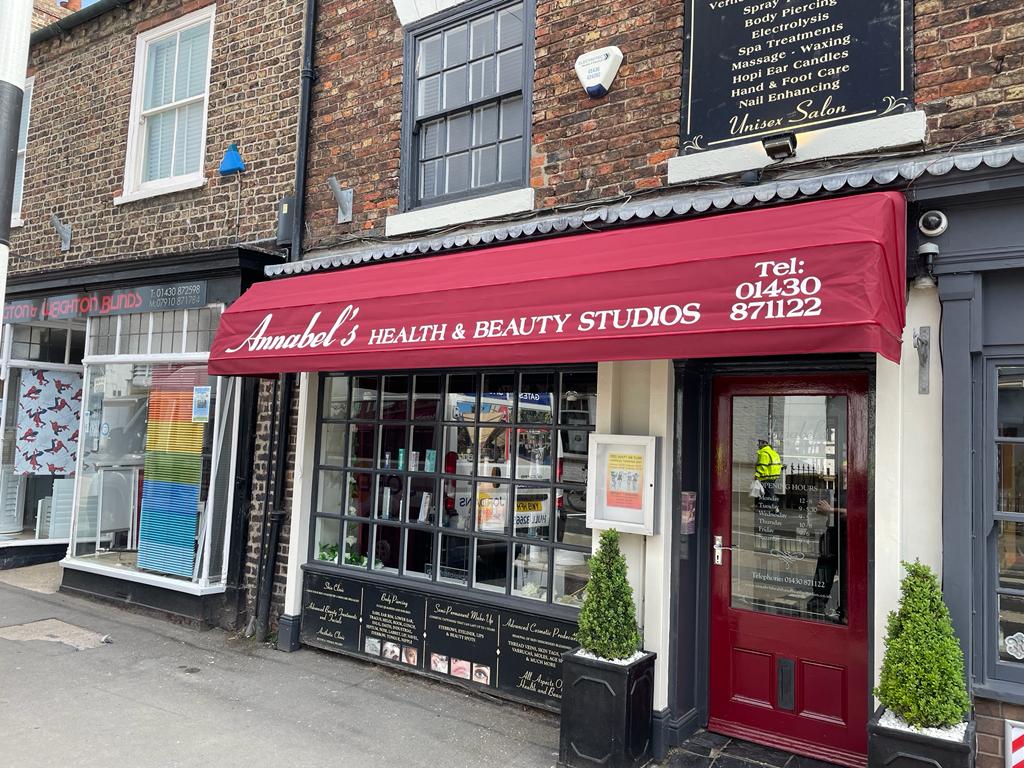
Shopfront awnings are one such addition. They provide shelter, reduce glare, enhance branding visibility and help create a more comfortable environment for customers. While many people associate awnings with residential properties, modern outdoor awnings in hull are equally suited to commercial settings.

This article explains how shopfront awnings benefit businesses, how they compare to residential options such as patio awnings in hull and garden awnings in hull, and what to consider before installation.

What Are Shopfront Awnings?

Shopfront awnings are exterior shading systems installed above entrances, windows or outdoor seating areas. They may be fixed or retractable and are typically constructed from durable frames and weather resistant fabrics.

Their primary functions include:

  • Providing shelter from sun and light rain
  • Reducing glare on display windows
  • Protecting interior furnishings from UV exposure
  • Enhancing the appearance of the premises

Why Shopfront Awnings Matter in Hull

Kingston upon Hull experiences a mix of bright summer days, rainfall and wind throughout the year. These changing conditions can impact:

  • Window displays
  • Outdoor seating areas
  • Customer comfort at entrances
  • Internal temperature control

External shading allows businesses to respond to these conditions without structural alterations to the building.

Key Business Advantages of Shopfront Awnings

Improved Street Visibility

A well designed awning frames the entrance and creates a defined focal point. For businesses located on busy high streets or retail parades, this visual distinction can help attract attention from pedestrians and passing traffic.

Awnings can also be customised with branding elements, reinforcing name recognition and improving wayfinding.

Protection for Window Displays

Retail displays are often positioned close to large glazed windows. Prolonged sun exposure can lead to:

  • Fading of fabrics and packaging
  • Discolouration of materials
  • Increased glare that obscures visibility

Installing outdoor awnings in hull helps moderate direct sunlight and improves display clarity, making products easier to see from outside.

Enhanced Customer Comfort

Customers value comfortable and accessible entrances. Awnings provide shelter for people:

  • Entering or exiting the premises
  • Waiting for appointments
  • Queuing during busy periods

In hospitality settings, awnings also support the creation of shaded outdoor seating areas.

Support for Energy Efficiency

Solar heat gain through large front windows can raise indoor temperatures. By limiting direct sunlight, awnings may contribute to:

  • More stable internal temperatures
  • Reduced reliance on cooling systems
  • Improved comfort for staff and customers

While not a standalone energy solution, shading can form part of a broader efficiency strategy.

Extending Commercial Outdoor Space

Businesses in the café and restaurant sector can benefit significantly from covered outdoor areas.

Retractable systems allow operators to:

  • Provide shade during peak sunlight
  • Retract coverage when not required
  • Adapt quickly to changing weather

Design and Material Considerations

Frame Construction

Commercial awnings are typically manufactured using corrosion resistant materials such as powder coated aluminium to withstand external conditions.

Fabric Durability

High quality awning fabrics are designed to be:

  • UV resistant
  • Fade resistant
  • Water repellent
  • Suitable for long term outdoor use

Colour selection should complement both the building façade and business branding.

Installation Factors to Consider

Structural Suitability

The exterior wall must be capable of supporting the awning brackets. Professional installation ensures correct load distribution and long term stability.

Wind Exposure

Retractable systems are often recommended for exposed locations, as they can be retracted during strong winds.

Regulatory Requirements

Depending on location and building type, planning regulations may apply. It is advisable to confirm requirements before installation.

Maintenance and Longevity

Routine maintenance helps preserve both function and appearance.

Recommended practices include:

  • Cleaning fabric surfaces periodically
  • Removing debris after adverse weather
  • Checking mechanical components annually
  • Retracting awnings during severe conditions

With appropriate care, commercial awnings are designed for long term use.

Frequently Asked Questions

Are shopfront awnings suitable for all commercial properties?

Most brick and masonry buildings can support awnings, provided structural conditions are appropriate. A professional assessment is recommended.

How do outdoor awnings in hull benefit retail stores?

They reduce glare on display windows, protect products from sun damage and provide shelter for customers at entrances.

Can patio awnings in hull be adapted for commercial use?

Yes. Many patio style awnings share similar structural components and can be installed above shopfronts or hospitality seating areas.

What is the difference between garden awnings in hull and shopfront installations?

Garden awnings are typically intended for residential outdoor spaces, whereas shopfront awnings may incorporate branding and commercial grade materials.

How can a business arrange a consultation?

Businesses can submit an enquiry through the official contact page to discuss site requirements and product options.

Conclusion

Shopfront awnings provide practical and visual advantages for businesses in Kingston upon Hull. They enhance exterior presentation, improve customer comfort and help protect displays from sun exposure.

Drawing on the same principles as patio and garden awnings, commercial systems offer adaptable shading suited to retail and hospitality environments. With careful selection, appropriate installation and routine maintenance, shopfront awnings can support both day to day operations and long term property presentation.

Recent Posts

Homeowners in Kingston upon Hull are increasingly investing in practical ways to improve their outdoor living areas. Gardens, patios, and terraces are no longer seasonal spaces. With the right shading solution, they can be used comfortably throughout much of the year.

One of the most effective upgrades is the installation of retractable awnings. Modern outdoor awnings in hull provide flexible shade, weather protection, and visual appeal without permanent structural alterations.

This guide explains how retractable awnings work, their benefits, and how they integrate with interior shading options such as sun blinds in hull and plantation shutters in hull.

Why Outdoor Shading Is Important in Hull

The weather in Kingston upon Hull can vary considerably. Summers may bring extended daylight hours and strong sun exposure, while spring and autumn often present changeable conditions.

Without adequate shading, patios and outdoor seating areas can become uncomfortable due to:

  • Excessive glare
  • Direct UV exposure
  • Overheating of adjoining rooms
  • Fading of outdoor furniture

Retractable awnings offer adaptable coverage, making outdoor areas more usable without blocking light permanently.

What Are Retractable Awnings?

Retractable awnings are extendable fabric canopies mounted to an exterior wall. They are designed to:

  • Provide shade when extended
  • Fold away neatly when not required
  • Protect external doors and windows
  • Enhance outdoor seating areas

They can be operated manually or via motorised systems, depending on the design and size.

Unlike fixed canopies, retractable models allow homeowners to adjust coverage according to weather conditions.

Benefits of Installing Outdoor Awnings in Hull

1. Adjustable Sun Protection

One of the main advantages of outdoor awnings in hull is flexibility. You can extend the canopy during peak sunlight hours and retract it in cooler or overcast weather.

2. Improved Indoor Comfort

Awnings positioned above patio doors or windows can reduce solar heat gain inside the home. This can help regulate indoor temperatures during warmer months.

3. Protection for Outdoor Furnishings

Prolonged sun exposure can cause fading and deterioration of garden furniture. Awnings help shield seating areas, dining tables, and decking.

4. Enhanced Usable Space

A shaded patio effectively becomes an extension of the home, suitable for dining, relaxing, or social gatherings.

Interior products such as sun blinds in hull and plantation shutters in hull work alongside awnings to regulate light and privacy throughout the property.

Integrating Outdoor Awnings with Interior Shading

Sun Blinds in Hull

sun blinds in hull provide an effective way to manage glare and privacy inside the home. They are suitable for:

  • Large glazing panels
  • South facing windows
  • Living rooms and conservatories

When paired with outdoor awnings, blinds reduce interior glare while the awning limits direct heat penetration from outside.

Plantation Shutters in Hull

plantation shutters in hull offer structured light control through adjustable louvres. They are often chosen for:

  • Bedrooms
  • Bay windows
  • Ground floor living spaces

Shutters provide consistent privacy while allowing filtered daylight. Used together with retractable awnings, they create layered light management.

Choosing the Right Outdoor Awning

Selecting suitable outdoor awnings in hull requires attention to several factors.

Size and Projection

Measure the width of the installation wall and determine how far the awning should extend over the patio or terrace.

Fabric Selection

Modern awning fabrics are typically:

  • UV resistant
  • Water repellent
  • Fade resistant
  • Available in various neutral tones

The fabric should complement the exterior appearance of the property.

Manual or Motorised Operation

Manual systems use a winding handle. Motorised systems allow remote operation and are often preferred for larger installations.

Installation Considerations

Proper installation ensures long term performance.

Wall Structure

The mounting surface must be structurally sound, usually brick or masonry.

Wind Conditions

Retractable awnings should be retracted during strong winds to prevent unnecessary strain.

Professional Assessment

A professional site survey helps determine appropriate bracket placement and projection length.

For enquiries or consultation requests, homeowners can use the
Jordans of Hull contact page

Maintenance and Longevity

Retractable awnings require regular but simple maintenance.

Cleaning

  • Remove loose debris
  • Use mild cleaning solutions
  • Allow fabric to dry fully before retracting

Mechanical Inspection

  • Check brackets annually
  • Ensure smooth extension
  • Inspect motor components if fitted

Interior products such as sun blinds and plantation shutters also benefit from routine dusting and cleaning to maintain appearance and function.

Common Mistakes to Avoid

Incorrect Measurements

Accurate measurements are essential to ensure proper shading coverage.

Overexposure to Harsh Weather

Awnings are designed for sun protection and light rain, but prolonged exposure to severe weather can reduce lifespan.

Overlooking Interior Solutions

Relying solely on exterior shading may not provide full light control. Combining outdoor awnings in hull with sun blinds in hull or plantation shutters in hull offers a more comprehensive approach.

Frequently Asked Questions

Are retractable awnings suitable for most properties in Hull?

Most brick and masonry homes can support retractable awnings, provided the wall structure is secure.

Do outdoor awnings in hull protect against rain?

They are designed primarily for sun protection. Light rain is generally manageable, but they should be retracted during heavy rainfall.

How do sun blinds in hull complement awnings?

Sun blinds reduce interior glare and enhance privacy, working together with awnings to manage light from both outside and inside.

Why choose plantation shutters in hull for interior spaces?

Plantation shutters provide adjustable light control and privacy with a structured design that suits many property styles.

How can I request more information?

Homeowners can submit an enquiry via the official contact page to discuss measurements, product details, or installation options.

Conclusion

Retractable awnings offer a flexible way to transform outdoor areas into practical and comfortable living spaces. For homeowners in Kingston upon Hull, they provide adjustable shade, improved indoor comfort, and protection for external furnishings.

When integrated with interior solutions such as sun blinds in hull and plantation shutters in hull, they form part of a complete shading strategy that enhances both outdoor and indoor environments.

Careful product selection, accurate measurement, and professional installation ensure long term performance and visual harmony with the property.

Recent Posts